
Cutting ceiling tiles may look tricky, but with the right tools, patience, and method, you can achieve a flawless ceiling finish without hiring a professional. Whether you’re updating a basement, office, or any room with a suspended ceiling, learning how to cut drop ceiling tile correctly will help you save money and ensure a neat, professional look.
This guide walks you through every step—from measuring to cutting—plus tips for working with different tile types like travertine, acoustic, and mineral fiber tiles.
Understanding Drop Ceiling Tiles
Drop ceilings (also known as suspended ceilings) consist of a lightweight metal grid that supports panels or tiles. These tiles are usually made from acoustic materials to absorb sound and conceal electrical wires, pipes, or ductwork.
Tiles typically measure 2×2 feet or 2×4 feet, but you’ll often need to trim them along walls, light fixtures, or vents. That’s where learning how to cut ceiling tiles for a drop ceiling becomes essential.
Tools and Materials You’ll Need
Before you start cutting, gather these basic tools:
- Utility knife or box cutter
- Fine-tooth handsaw (for thicker tiles or travertine)
- Straightedge or metal ruler
- Measuring tape
- Pencil or marker
- Cutting board or safe work surface
- Safety glasses and gloves
Pro tip: Keep your workspace clean and flat—dust or uneven surfaces can crack the tile edges.
Step 1: Measure the Tile Area
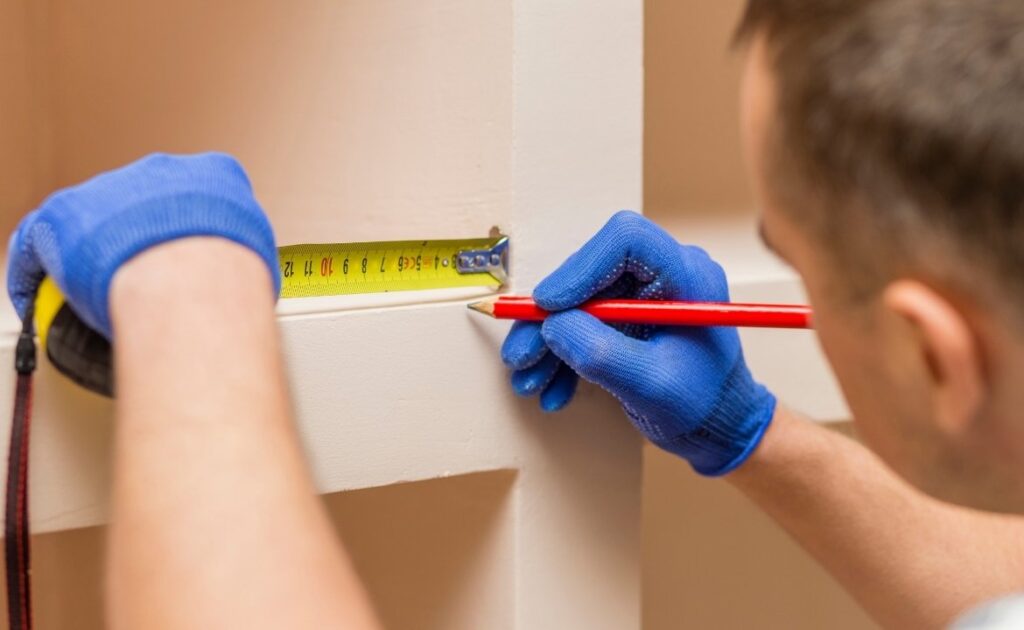
Start by measuring the grid space where the tile will fit. Always measure twice to ensure accuracy, especially if your walls or grid lines aren’t perfectly straight.
Mark your cutting lines on the back side of the tile using a pencil and straightedge. This reduces visible marks on the front surface.
Step 2: Cut the Tile Accurately
Now comes the main step—cutting drop ceiling tiles neatly.
For Standard Acoustic Ceiling Tiles
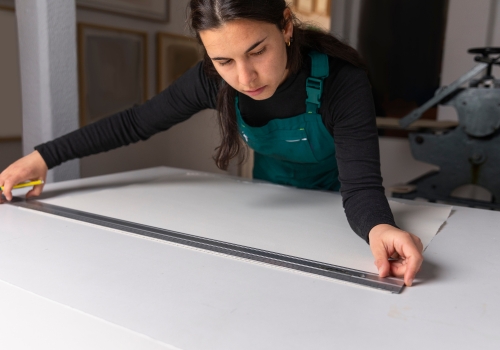
- Lay the tile on a flat surface, face down.
- Use your straightedge as a guide.
- Score along the marked line with a sharp utility knife—don’t try to cut all the way through in one go.
- Make several light passes until the tile separates cleanly.
This method works great for typical mineral fiber or acoustic tiles used in drop ceilings.
For Thicker Tiles or Travertine Tiles
Travertine or decorative tiles are heavier and denser, so they require a slightly different approach. If you’re learning how to cut travertine tile, here’s what to do:
- Use a wet saw with a diamond blade for smooth, chip-free cuts.
- Keep the tile steady and guide it slowly through the saw.
- Always wear protective eyewear and follow manufacturer safety instructions.
Travertine gives a natural stone look—great for luxury interiors—but precision is key to avoid cracks or uneven edges.
For Cutting Ceiling Tiles Around Fixtures
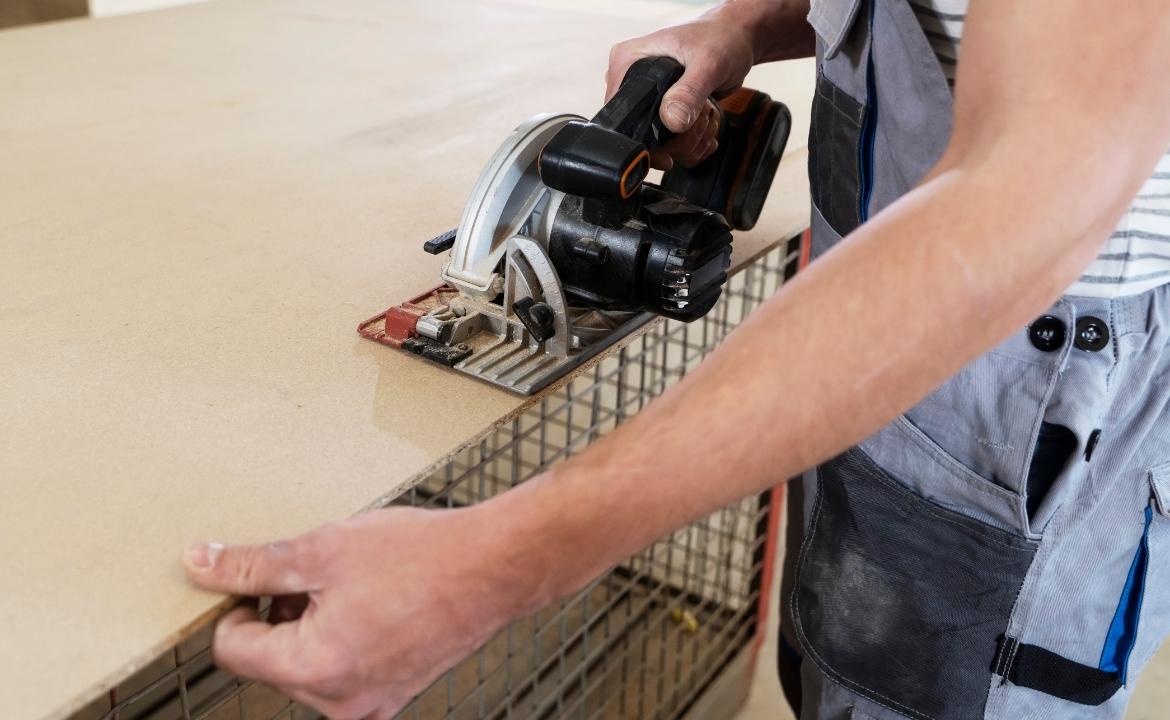
When cutting around obstacles like vents, lights, or sprinklers, first create a cardboard template of the area. Trace that shape onto your ceiling tile and cut carefully with a utility knife or small handsaw.
This ensures a perfect fit without wasting tiles.
Step 3: Smooth the Edges (Optional)
After cutting, lightly sand the edges using fine-grit sandpaper to remove rough spots. This makes installation easier and prevents visible gaps once the tile is in place.
Step 4: Install the Tile
Gently tilt the cut tile and position it into the metal grid. Lower it slowly until it rests flat alongside the other tiles.
If the tile feels tight, recheck your measurements—it’s better to trim slightly more than force it in.
Common Mistakes to Avoid
- Cutting too fast: Always take multiple shallow passes rather than one deep cut.
- Measuring from the wrong side: Measure from the grid opening, not the wall.
- Skipping safety gear: Even light tiles can splinter—gloves and glasses are a must.
Pro Tips for Cutting Ceiling Tiles
- Use sharp blades: Dull knives tear the surface and leave jagged edges.
- Score before snapping: This ensures cleaner cuts and better alignment.
- Work in pairs: One person measures, another cuts—it saves time and reduces errors.
- Label your cuts: For larger projects, mark each tile’s placement to avoid mix-ups.
Learning how to cut ceiling tiles for a drop ceiling properly means you’ll get smoother lines and save replacement costs.
How to Cut Ceiling Tiles Without a Saw
If you don’t own a saw, no problem! Many ceiling tile materials are soft enough to cut with just a utility knife.
Simply score the line multiple times with firm, even pressure, and the tile will break cleanly along the cut.
For circular cuts (like lights or vents), use a hole saw or utility knife and rotate it slowly around your traced line.
How to Cut Travertine Tile for Ceilings or Walls
Travertine tiles can add a sophisticated, natural look to ceilings or walls—but cutting them demands more precision than standard tiles.
Follow these tips:
- Use a wet tile saw to avoid cracks.
- Keep the tile moist during cutting.
- If making small notches, use nippers or a rotary cutting tool.
Knowing how to cut travertine tile lets you bring professional-grade finishes into your DIY remodeling projects.
Safety Tips for Cutting Ceiling Tiles
- Always cut on a stable surface.
- Keep your hands away from the cutting line.
- Wear a dust mask when cutting older tiles (they can release particles).
- Dispose of scraps responsibly.
Safety should always come before speed.
Frequently Asked Questions (FAQs)
What is the best way to cut a drop ceiling tile?
The best way to cut a drop ceiling tile is by scoring it multiple times with a sharp utility knife and a straightedge. For thicker tiles like travertine or decorative materials, a wet saw provides smoother, cleaner results.
What knife is best for cutting ceiling tiles?
A sharp utility knife or box cutter works best for acoustic and fiber ceiling tiles. For tougher materials, use a fine-tooth handsaw or a rotary cutting tool for precision cuts.
How to keep drop ceiling tiles in place?
Ensure each tile fits snugly within the metal grid system. If tiles shift or sag, slightly bend the metal tabs upward or use ceiling tile clips to secure them in place.

Final Thoughts
Mastering how to cut drop ceiling tile is an essential skill for any DIYer or homeowner. With the right tools and techniques, you can achieve a professional finish—saving both time and money. From standard acoustic panels to decorative travertine tiles, precision cutting ensures your ceiling looks seamless and elegant.